36Kr Interview: N1 Life Opens New Path in R&D, Upgrades "Old Drugs" with Peptide Carrier
Apr 17, 2024
Introduction:Dual-engine technology platform, parallel use of peptides and nanoparticles, balancing intrahepatic and extrahepatic targeting and overcoming tissue barriers.
The high risk and long cycle of new drug development have always been challenges for pharmaceutical R&D teams to solve. Due to the lack of effective and precise delivery, drugs cannot reach their intended targets in the body to exert therapeutic effects. According to statistics, the high failure rate of nearly 90% in clinical drug development is caused by "delivery failures". Therefore, how to help drug molecules traverse the "fog of the human body" has become a major challenge in the industry and a key to accelerating new drug development.
With the original intention of solving this problem, Dr. Zang Xiaoyu partnered with her doctoral supervisor, Dr. Paul A. Wender and founded N1 Life in 2019. Dr. Paul A. Wender is a member of the American Academy of Sciences and a lifelong professor at Stanford University. They dedicated to translating the results of the research group in drug delivery technology over the past 30 years into practical applications.
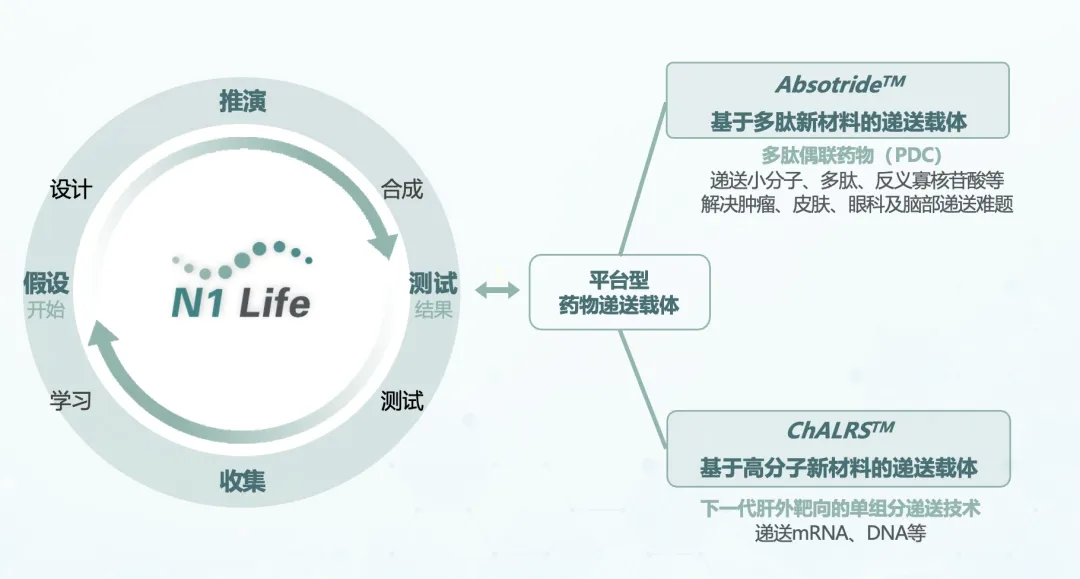
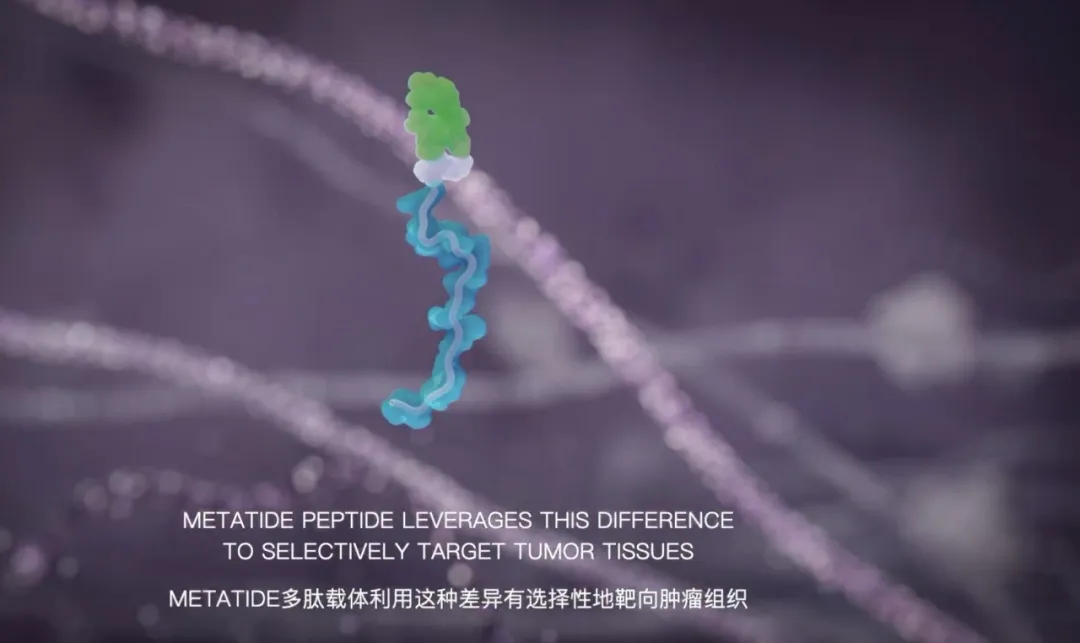
Among them, the core delivery technology is "Absotride" which based on peptide molecules. By combining the Absotride carrier technology with the pharmacologically active molecules, peptide-conjugated drugs (PDC) can be developed. Currently, the delivery technology R&D platform mainly focuses on the "old drugs for new uses" development of drug molecules with optimization space on the market. Such as small molecule drugs, peptides, and protein drugs whose patents have expired or failed in late-stage clinical trials. Through such methods, a combination of PDC drugs can be quickly assembled, solving the problem of drug delivery covering multiple human tissues such as tumors, skin, and ophthalmology.
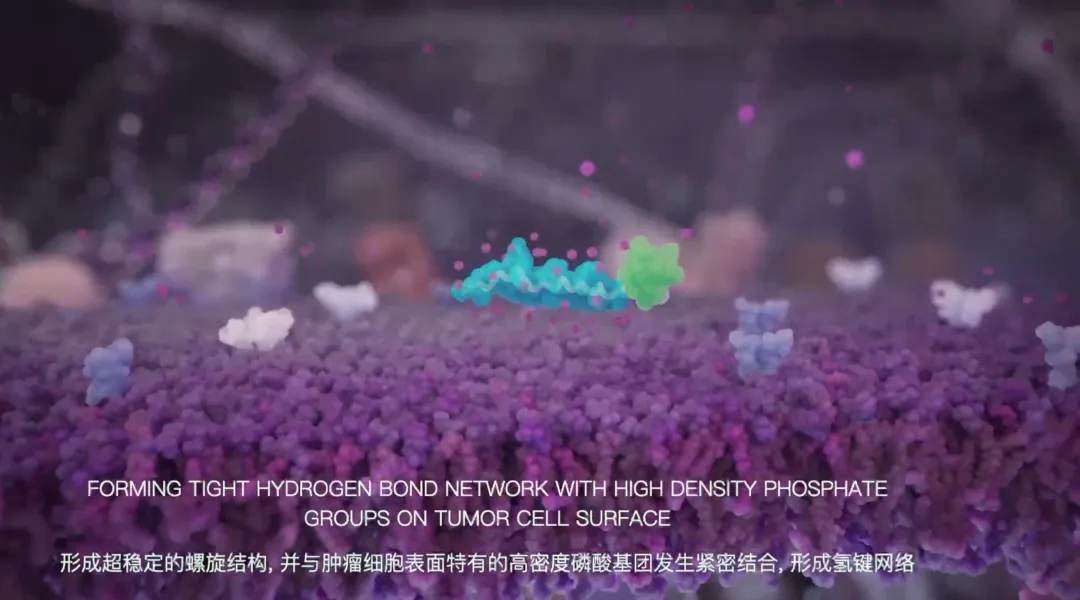
"It is equivalent to upgrading existing cancer chemotherapy molecules without affecting the original molecular structure and pharmacological activity, changing their drug distribution, and characteristics such as pharmacokinetics. By identifying the tissue commonality of metastatic tumors, drugs can be delivered to all metastatic lesions. This reduces the problem of the long cycle and high cost of starting from target screening traditionally; On the other hand, the cost of developing a universal platform technology will ultimately be spread across every pipeline generated by the platform, thereby reducing the overall development cost." Zang Xiaoyu explained.
Using this platform technology, N1 Life shortens the early development cycle of synthesizing peptides and screening candidate drugs to "6-12 months". Upon completion, it can enter the development phase of IND. In addition, under the concept of operating with light assets, the company has not yet formed a clinical team. Most of the existing projects are carried out through collaborative research and development, effectively controlling the R&D costs.
Taking the relatively mature tumor project N1-109 as an example, this is the "first pipeline" landed by N1 Life after independence from Stanford, mainly targeting indications such as metastatic ovarian cancer, pancreatic cancer, and gastric cancer, and planning to enter clinical validation this year. From the existing data, in tumor animal models of ovarian cancer and other abdominal spread metastases, N1-109 achieved the delivery of payload drugs to metastatic tumors and tumor cells in different organs, nearly achieving a 99% elimination efficacy of metastatic tumors, which is superior to drugs in the current standard treatment regimens in clinical practice.
It is reported that in the future, N1-109 has the potential to become a key drug used in combination with multiple treatment methods, improving the overall treatment effect, and extending the original treatment methods to more indications and patient populations, including patients with advanced and drug-resistant tumors. From the latest strategic layout, N1 Life currently focuses on the dermatological drug market. The skin is the largest protective organ of the human body. From the principle of action, drugs need to penetrate through the multiple layers of the skin, such as the stratum corneum, epidermis, dermis, etc., to reach the lesion or be absorbed into the human bloodstream.
However, less than 5% of the molecules applied on the skin surface can penetrate the skin barrier and reach the dermis layer, affecting the effective absorption of most drugs. To promote the transdermal absorption of drugs, the industry's main methods include physical permeation techniques (such as microneedles, iontophoresis), chemical permeation techniques (such as alcohols, oils), etc., but it is often difficult to balance the contradictions between effectiveness, user experience, and cost, which is a very sensitive issue in the development of dermatological drugs or consumer products.
In comparison, the peptide carrier of N1 Life can assist the efficient penetration of payload molecules through the skin barrier and into the target layer; the high permeation efficiency can effectively reduce the initial dose of the product, thereby reducing the dosage, while solving multidimensional issues such as efficacy, process, cost, and safety, to reduce the overall cost and investment.